You step up to a craps table in Darwin on a hot arvo and the pace feels almost like a live jazz ensemble, with the stickman calling out the rhythm while the dice settle the tune. That kind of room demands a plan, not guesswork, and craps strategy stickman has built its reputation on treating the table as a structured instrument rather than a lucky dip. Plenty of Aussies reckon the game is just about throwing dice hard, but the real edge comes from knowing where the stickman’s control sits in the flow. If you want to see how that approach plays out before you risk a single dollar, you can take a quiet look at the le bandit demo to feel the cadence without the pressure. That kind of preview matters when you are sizing up a site that talks a big game about table control and player pacing.
How the Stickman Controls the Pace and Your Edge

The stickman is the one pushing the fives and sixes, calling the winners, and keeping the proposition bets moving, which means a solid craps strategy stickman approach starts with reading that person rather than chasing every roll. I have spent years mapping probability curves for table games, and the maths here is no different from arranging a horn section: you let the rhythm section carry the weight while you play the changes that actually pay. The tradeoff is that a disciplined line of play leaves money on the table compared with wild proposition betting, but it also trims the volatility that burns through a bankroll before the arvo is over. A site that respects this style will give you clear table limits, visible odds multipliers, and a layout that does not muddle the stickman’s calls with cluttered side screens. You want to see the pace written plainly, because guessing the flow is how good sessions turn into expensive lessons.
- Keep your base bets on the pass or don’t pass line and treat odds as the real value play, since the house edge on that portion is effectively zero.
- Let the stickman’s prop bets stay off your regular rotation unless you are testing a specific variance play for a short run.
- Watch the table’s average hand length before you commit, because a slow table changes your hourly exposure more than the advertised limits do. le bandit demo
- Track your session in metres of thinking, not just dollars, so you notice when the pace has shifted and it is time to step back.
Where the Limits and Tradeoffs Really Sit
A craps strategy stickman mindset only holds up when the product behind it is honest about the edges, the caps, and the times when the maths says sit out. I have managed production for table products where the bonus terms looked generous until you read the wagering ladder, and the same caution applies here: a match that sounds tidy can still carry playthrough that drags on the very bets you are trying to keep clean. The strength is that a well-built table product will show the odds cap, the max win, and the bet sizing in one place, so you can plan a line without second-guessing the fine print. The limit is that no layout removes the house edge on the base line, and any claim that a system flattens that out is just noise. You are balancing a slower, steadier session against the temptation to push for a big swing, and the right call depends on whether you are there for a measured run or a short, busy-as session before the lights come up.
Account Controls, Support, and the Darwin Reality
Trust is the part that separates a decent table product from one you keep visiting, and craps strategy stickman leans on account controls that let you set a ceiling before you are in the thick of the roll. A proper setup gives you deposit limits, session reminders, and a clear way to pause play without hunting through three menus, which matters when you are playing late in an arvo and the room is warm enough to blur your judgement. I have seen support teams handle table queries the way a seasoned rhythm player handles a tune change: calm, precise, and without making a fuss, and that is the standard worth looking for. The tradeoff is that tighter controls can feel restrictive if you want to move fast, but that friction is the point when the goal is keeping the session readable. Privacy and login security should be plainly documented, because a table game is only as comfortable as the account behind it, and Aussies dealing with local time zones and a Darwin heatwave do not want to be wrestling with access issues while the dice are waiting.
Mobile Play, Loyalty, and the Practical Setup
The mobile side of craps strategy stickman is where the table experience either feels natural or turns clunky, and the right build keeps the stickman’s cadence visible without shrinking the layout into a scramble of buttons. A clean mobile table will show the line, the odds multiplier, and the current bet state in a way that does not make you tap around for basic info, which is the difference between a session that flows and one that feels like you are reading sheet music in the dark. I have worked on product flows where the mobile layout was the make-or-break detail for table games, and the same judgement applies here: if the tap targets and bet confirmation are tight, you spend less time fighting the interface and more time reading the table. The tradeoff is that a smaller screen can hide some of the prop detail, so you still want the option to review the full bet list before you lock in a line. Loyalty and registration should be straightforward, with a clear path from sign-up to a working balance in AUD, because a product that makes the basics hard is usually hiding something else in the corners.
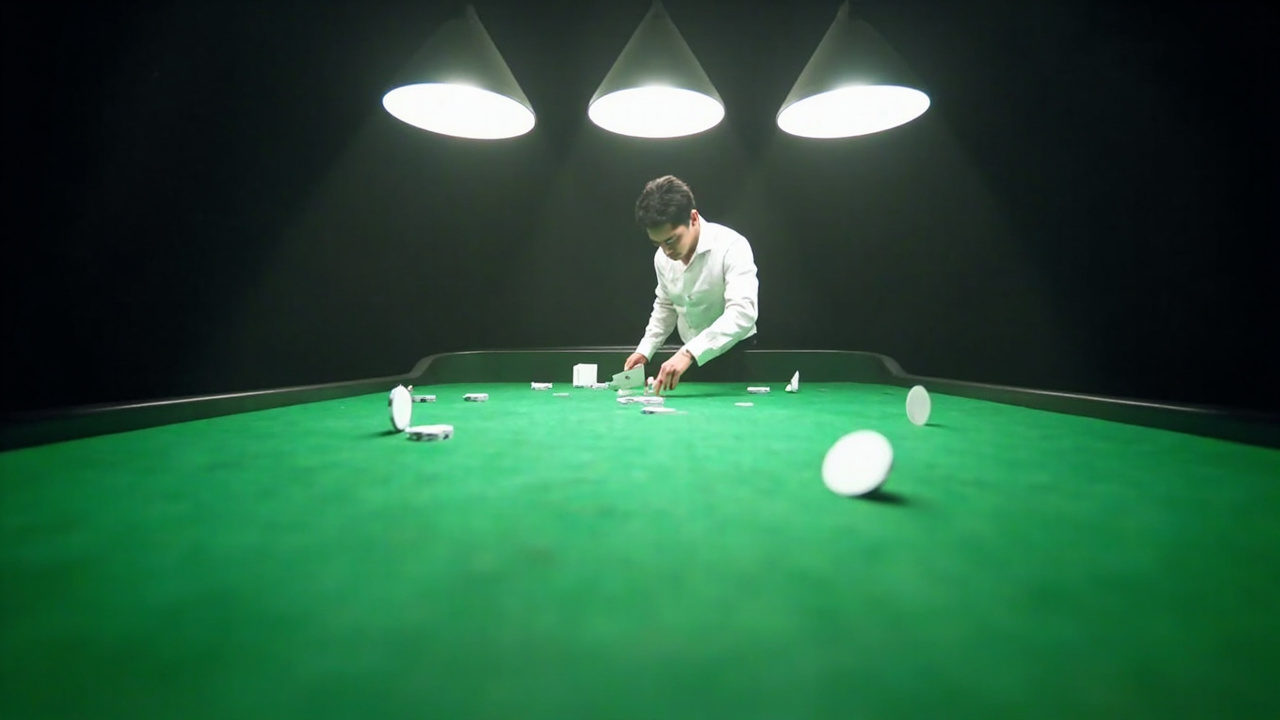
A solid craps strategy stickman session comes down to pace, limits, and a clear read of the table, not a promise that the dice will bend to your plan. The strength is a steadier run with the odds doing the heavy lifting, the tradeoff is leaving some prop action on the table, and the practical win is walking away with the session still readable. If you treat the stickman’s rhythm as information rather than decoration, you give yourself a cleaner line and fewer surprises when the heat rises.